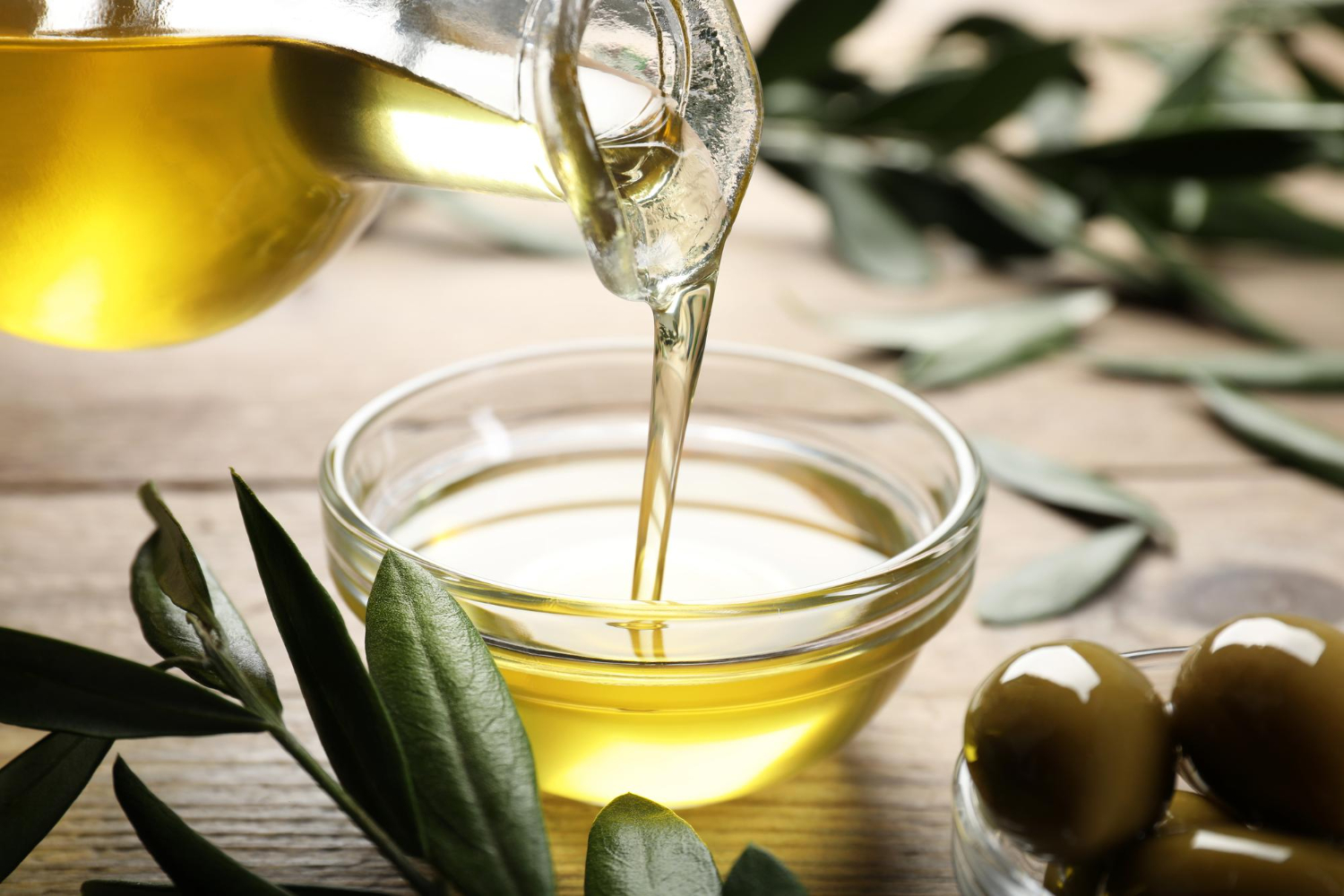
Olive oil is one of the most iconic staples of the Mediterranean diet, celebrated for its flavor, versatility, and health benefits. But do you know how your extra virgin olive oil travels from the grove to your table? At Egytalia Oil, we believe that understanding the production process helps you appreciate the care and craftsmanship in every bottle.

🌱 The Olive Grove: Where Quality Begins
The journey of olive oil starts with the olive tree itself. Climate, soil, and tree variety all influence the flavor and quality of the oil. For example:
-
Climate: Mediterranean climates with hot, dry summers and mild winters create ideal growing conditions.
-
Soil: Well-drained, mineral-rich soil produces olives with more complex flavors.
-
Olive Varieties: Different olives yield different flavor profiles, from mild and buttery to robust and peppery.
At Egytalia Oil, we source our olives from trusted Italian groves where traditional cultivation methods meet modern sustainability practices.
🌿 Harvesting: Timing is Everything
Olives must be harvested at the right time to ensure optimal flavor and nutritional value.
-
Early Harvest: Produces green olives with a more robust, peppery flavor and higher antioxidant content.
-
Late Harvest: Results in riper, fruitier oils with a milder taste.
Harvesting is often done by hand or with gentle mechanical methods to avoid bruising, which can negatively affect the oil’s quality.

🏺 Cold Pressing: Preserving Purity
Once harvested, olives are washed and crushed into a paste. The paste is then cold-pressed to extract the oil without heat or chemicals. This step is critical because:
-
It preserves natural antioxidants and nutrients.
-
It ensures fresh, vibrant flavors.
-
It maintains the “extra virgin” quality that distinguishes premium olive oil.

🧪 Quality Control: Taste, Smell, and Lab Tests
High-quality olive oil undergoes rigorous testing before it reaches your kitchen:
-
Organoleptic Tests: Experts taste and smell the oil to detect flavor notes and ensure no defects.
-
Chemical Analysis: Measures acidity, peroxide levels, and polyphenol content to guarantee authenticity and nutritional value.
Only oils that pass these tests earn the extra virgin label, ensuring that you enjoy the finest quality every time.
🥗 Culinary Uses: Bringing Olive Oil to Life
Understanding olive oil’s journey helps you use it more effectively in the kitchen:
-
Raw Applications: Drizzle on salads, roasted vegetables, or fresh bread to enjoy its full flavor.
-
Cooking: Light sautéing or finishing dishes preserves flavor and nutrition. Avoid high-heat frying, which can degrade quality.
-
Pairing: Robust oils complement heartier dishes, while milder oils highlight delicate flavors.
🌿 Health Benefits: Beyond Flavor
Extra virgin olive oil isn’t just delicious—it’s also a functional food:
-
Heart Health: Rich in monounsaturated fats, which help maintain healthy cholesterol levels.
-
Anti-Inflammatory: Contains polyphenols that help reduce oxidative stress.
-
Brain Health: Supports cognitive function and may protect against age-related decline.

🛒 Choosing Your Olive Oil
When selecting olive oil, look for:
-
Origin: Italian or Mediterranean provenance often signals traditional quality standards.
-
Harvest Date: Fresher oils retain more flavor and nutrients.
-
Packaging: Dark glass or tins protect oil from light, preserving quality.
At Egytalia Oil, every bottle reflects careful sourcing, traditional production, and modern quality assurance, ensuring that your meals are both flavorful and healthy.