
When it comes to producing exceptional extra virgin olive oil, few places in the world can rival Puglia, Italy. Located in the southeastern part of the country, forming the heel of Italy’s famous boot, Puglia is a region where nature, tradition, and centuries of agricultural expertise come together to create some of the finest olive oils in the world.
With its sun-drenched landscapes, mineral-rich soils, refreshing coastal winds, and millions of olive trees, Puglia offers an extraordinary environment for cultivating olives with rich flavors, enticing aromas, and valuable antioxidants.
But what exactly makes this region so special? Let’s explore why Puglia is one of the most sought-after destinations for sourcing premium Italian extra virgin olive oil.
1. Hot, Dry Summers Create Olives Rich in Flavor and Antioxidants
One of Puglia‘s greatest natural advantages is its Mediterranean climate, characterized by long, hot summers, mild winters, and abundant sunshine.
While extreme heat and drought can damage olive trees, moderate water stress under the right conditions can actually contribute to the development of desirable compounds within the olives.
As olive trees adapt to periods of limited water availability, they can produce higher concentrations of certain phenolic compounds, natural antioxidants that contribute to olive oil’s distinctive flavor and nutritional properties.
These compounds play an important role in the characteristics of high-quality extra virgin olive oil, including:
- Rich, complex flavors: Phenolic compounds contribute to the pleasant bitterness and peppery finish associated with many premium olive oils.
- Natural antioxidant properties: Polyphenols help protect the oil against oxidation and contribute to its stability.
- Distinctive sensory characteristics: The combination of olive variety, climate, and growing conditions can produce oils with vibrant, herbaceous, and fruity notes.
- Potential health benefits: Olive oil polyphenols have been studied for their antioxidant activity and their role in protecting blood lipids from oxidative stress.
This delicate balance between sunshine, warmth, and controlled water availability helps make Puglia an excellent environment for producing olives with remarkable character.
However, climate alone does not determine quality. The timing of the harvest, olive variety, irrigation practices, and extraction methods are equally important in preserving these desirable characteristics.
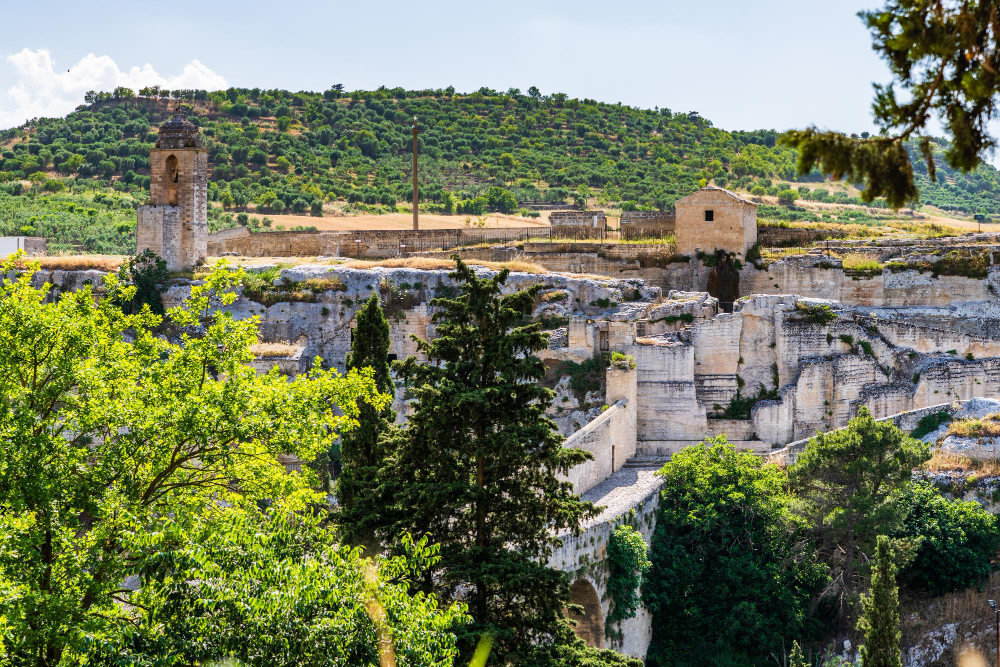
2. Coastal Winds from Two Seas Create an Ideal Growing Environment
Puglia enjoys a geographical advantage that few other Italian olive-growing regions can match: it is bordered by both the Adriatic Sea to the east and the Ionian Sea to the south and west.
The influence of these two bodies of water helps shape the region’s distinctive Mediterranean climate.
Coastal breezes promote air circulation through olive groves, which can help reduce prolonged moisture accumulation around the trees. Under favorable conditions, improved airflow can limit the humid environments that encourage certain fungal diseases.
These natural conditions provide several advantages for olive cultivation:
- Improved air circulation: Coastal winds help move air through the olive groves, reducing stagnant conditions.
- Reduced moisture buildup: Better airflow can help limit the prolonged leaf wetness associated with some olive tree diseases.
- Temperature moderation: Maritime influences help moderate temperature extremes, particularly in coastal areas.
- Healthy growing conditions: The interaction between sea breezes, sunshine, and seasonal rainfall contributes to the region’s favorable agricultural environment.
Although coastal winds do not eliminate pests or diseases, they are one of the many environmental factors that help make Puglia particularly well suited to olive cultivation.
Together, the Adriatic and Ionian seas help create a unique microclimate that contributes to the region’s long-standing reputation for producing exceptional olive oil.
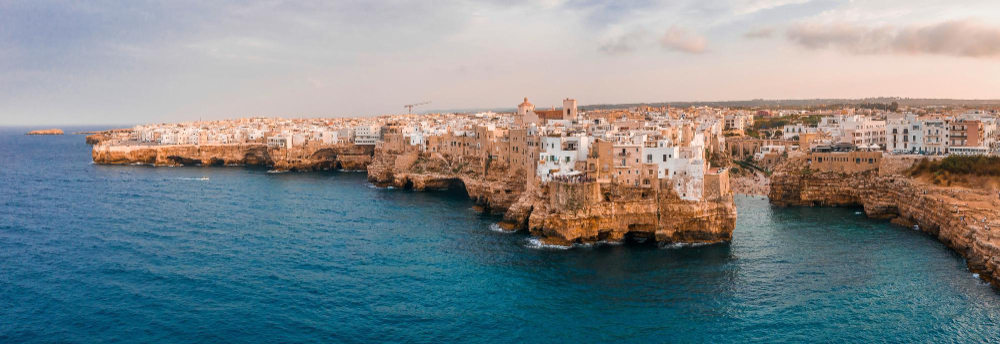
3. Mineral-Rich Limestone and Clay Soils Support Exceptional Olive Cultivation
Great olive oil begins beneath the surface.
Puglia’s landscape features extensive areas of limestone-based soils, often combined with clay and other mineral-rich geological formations. These soils provide an excellent foundation for olive cultivation, influencing water availability, root development, and tree nutrition.
Limestone soils are generally associated with good drainage, helping prevent excessive water accumulation around olive tree roots.
Clay, meanwhile, can retain moisture and nutrients, providing valuable reserves during Puglia’s long, dry summers.
The combination of these characteristics can create favorable conditions for olive trees:
Limestone: Natural Drainage and Root Development
Limestone-rich soils can encourage drainage and help olive trees establish extensive root systems. These characteristics are especially valuable in Mediterranean climates where rainfall is concentrated during particular seasons.
Clay: Moisture and Nutrient Retention
Clay-rich soils help retain water and nutrients, supporting trees through periods of limited rainfall. This natural moisture reserve can be particularly important during the fruit’s development.
Minerals: Supporting Healthy Olive Trees
The mineral composition of the soil contributes to the nutritional environment in which olive trees grow. Along with climate, cultivar, and agricultural practices, these growing conditions can influence the characteristics of the harvested olives.
While minerals in the soil do not directly translate into specific flavors in the finished oil, the relationship between soil, water, and tree health plays an important role in olive development.
This connection between the land and the final product is part of what Italians call terroir: the distinctive environmental characteristics that help give agricultural products their regional identity.
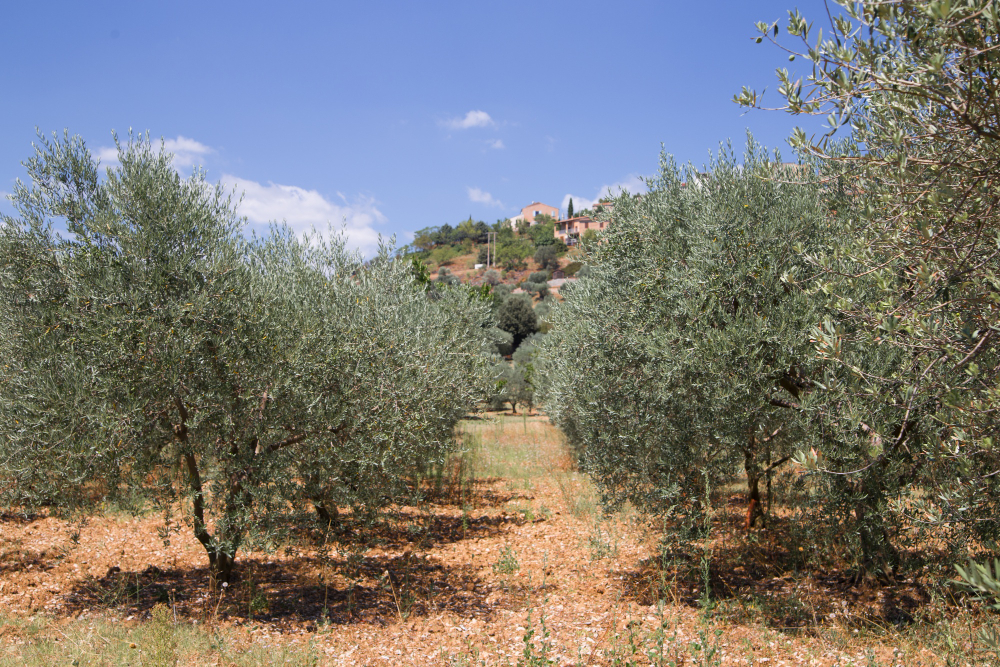
4. A Region Home to Millions of Olive Trees
Puglia’s relationship with olive oil is more than agricultural. It is deeply woven into the region’s history, culture, and identity.
The region is often estimated to be home to approximately 60 million olive trees, making it one of the most important olive-growing landscapes in the Mediterranean.
Travel through Puglia, and you’ll encounter seemingly endless groves of olive trees stretching across rolling hills, fertile plains, and picturesque countryside.
Some of these trees are centuries old, while others are believed to be more than a thousand years old.
Their twisted trunks and expansive branches are living reminders of the generations of farmers who have cultivated this land.
Olive cultivation in Puglia dates back thousands of years, with agricultural traditions influenced by ancient Mediterranean civilizations, including the Greeks and Romans.
Over time, olive growing became central to the region’s economy and cultural heritage.
Today, this extraordinary concentration of olive trees reflects both the suitability of Puglia’s environment and the expertise developed through centuries of cultivation.
For producers seeking authentic Italian extra virgin olive oil, this combination of natural abundance and agricultural knowledge is invaluable.
5. Puglia Is One of Italy's Largest Olive Oil Producers
Italy is internationally recognized for its olive oil, but not every region contributes equally to the country’s production.
Puglia is consistently Italy’s leading olive oil-producing region, historically accounting for a substantial share of the nation’s total output.
In some harvest seasons, Puglia has produced close to half of Italy’s olive oil, although its contribution varies significantly from year to year depending on weather conditions, agricultural challenges, and harvest yields.
This remarkable production capacity is supported by the region’s extensive olive groves, favorable climate, established agricultural infrastructure, and generations of specialized expertise.
However, producing large quantities of olive oil does not automatically guarantee premium quality.
What makes Puglia especially appealing is its ability to combine large-scale olive cultivation with producers dedicated to exceptional quality, careful harvesting, and modern extraction techniques.
Many premium olive oil producers in the region prioritize early harvesting, rapid processing, and controlled storage conditions to preserve the oil’s freshness, aromas, and beneficial compounds.
This dedication allows Puglia to offer a wide range of olive oils, from everyday culinary staples to exceptional extra virgin varieties prized for their complexity and character.
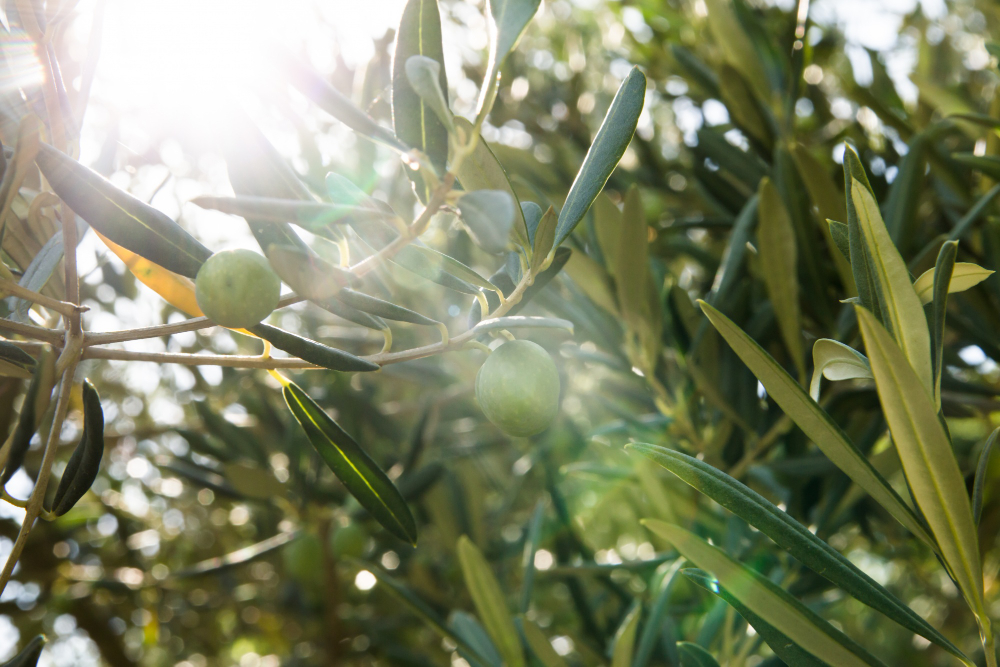
6. Native Olive Varieties Give Puglian Olive Oil Its Distinctive Character
Another reason Puglia stands out is its extraordinary diversity of olive cultivars.
The region is home to several traditional olive varieties, each contributing unique characteristics to the finished oil.
Among the most notable are:
Coratina
One of Puglia’s most celebrated olive varieties, Coratina is known for producing robust extra virgin olive oils with pronounced bitterness, a peppery finish, and often high concentrations of polyphenols.
Its intense flavor profile makes it particularly appealing to those who appreciate bold, full-bodied olive oils.
Ogliarola Barese
This traditional variety is often associated with more delicate and balanced olive oils, featuring pleasant fruity aromas and a harmonious combination of bitterness and pungency.
Peranzana
Originally associated with northern Puglia, Peranzana olives can produce elegant, well-balanced oils with fresh, grassy notes and hints of almond, artichoke, or tomato.
These varieties demonstrate how the same region can produce remarkably different olive oils depending on the cultivar, growing conditions, and production methods.
For consumers, this diversity means there is a Puglian extra virgin olive oil to complement almost every culinary preference.
7. Generations of Expertise Meet Modern Olive Oil Production
Puglia’s olive oil heritage is built on centuries of knowledge passed down through farming families.
Traditional cultivation practices, careful orchard management, and a deep understanding of the region’s growing conditions continue to influence olive oil production today.
At the same time, modern technology has helped producers achieve greater consistency, efficiency, and quality.
Premium extra virgin olive oil production often involves:
- Careful harvesting: Selecting healthy olives and harvesting them at the appropriate stage of ripeness.
- Rapid milling: Processing olives as soon as possible after harvesting to reduce deterioration.
- Mechanical extraction: Extracting oil through mechanical processes without chemical solvents.
- Temperature management: Carefully controlling processing temperatures to help preserve delicate aromas and natural compounds.
- Proper storage: Protecting the finished oil from excessive heat, light, and oxygen to maintain freshness.
When these practices are combined with Puglia’s favorable natural environment, the result can be an exceptional extra virgin olive oil that reflects both the land and the expertise of its producers.
Experience the Exceptional Quality of Puglian Extra Virgin Olive Oil
Choosing premium Italian extra virgin olive oil is about more than selecting a kitchen staple. It’s about appreciating the origin, craftsmanship, and natural characteristics that make each oil unique.
Whether you’re drizzling it over fresh vegetables, finishing a homemade pasta dish, or enjoying it with warm artisan bread, authentic extra virgin olive oil from Puglia brings a taste of Italy’s rich culinary heritage to every meal.
Discover the difference that exceptional growing conditions, careful sourcing, and generations of expertise can make.
Related Posts

From Grove to Gourmet: How High-Quality Olive Oil is Made
Olive oil is one of the most iconic staples of the Mediterranean diet, celebrated for its flavor, versatility, and health benefits. But do...